
Varicose Veins: Symptoms & Treatment
November 19, 2026Overall
Varicose veins are enlarged, swollen veins that most often appear in the legs and feet. They develop when the valves in the veins become weakened or damaged, so blood can flow the wrong way and pool in the veins rather than returning smoothly to the heart.
Varicose veins are often harmless, but they can sometimes cause discomfort, swelling or changes in the skin. In some cases, they are linked to chronic venous insufficiency, which affects circulation in the lower legs and can lead to further problems if not addressed.
Symptoms
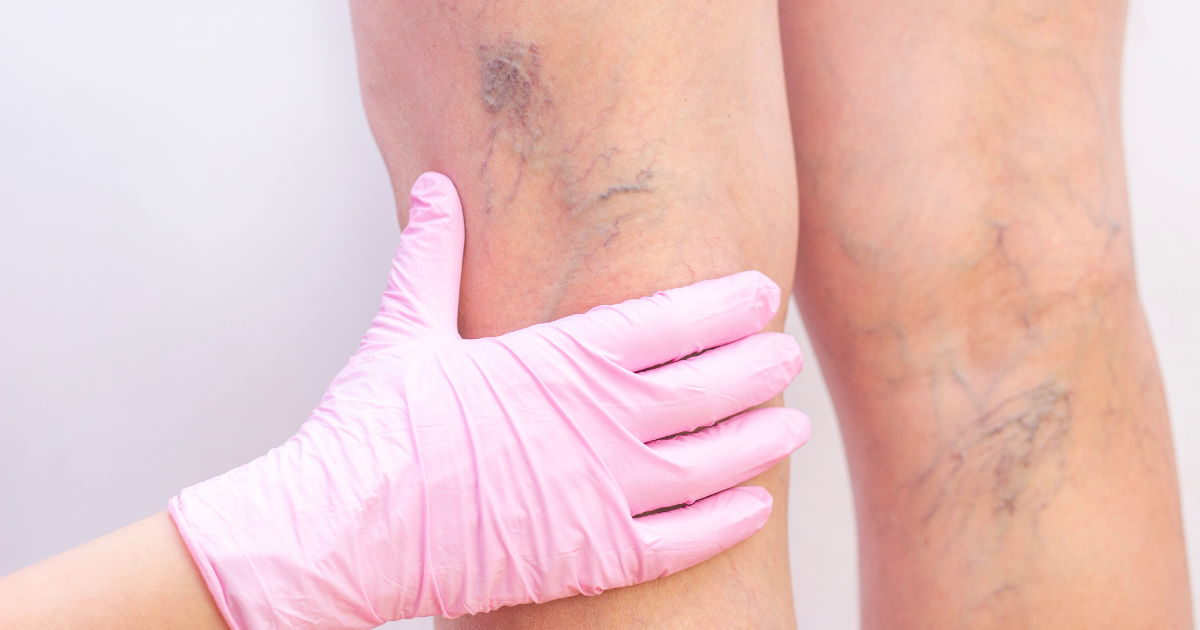
Varicose veins are usually easy to recognise by their twisted, bulging appearance under the skin. However, some people may notice symptoms even if the veins are not very obvious.
Common symptoms include:
- Visible, enlarged veins: Twisted or bulging veins that may appear blue, purple or dark beneath the skin.
- Aching or heavy legs that often becomes more noticeable after prolonged standing.
- Swelling, particularly around the ankles and lower legs, often worsening toward the end of the day.
- Itching or skin irritation: The skin around affected veins may become dry, itchy or inflamed.
- Throbbing or cramping: Some patients experience a burning sensation, muscle cramps or discomfort in the legs.
- Symptoms often improve with walking, resting or raising the legs. If you have ongoing pain, swelling or changes in skin colour, it is important to have these checked by a healthcare professional.
Risk Factors for Varicose Veins
Varicose veins develop when the vein walls and valves are not able to support normal blood flow as they should. There are several factors that can make varicose veins more likely:
- Family history: People with close relatives who have varicose veins are more likely to develop the condition.
- Age: Vein walls and valves can weaken over time, making it easier for blood to collect in the legs.
- Pregnancy and hormonal changes: Increased blood volume and hormonal changes may place additional pressure on the leg veins.
- Excess weight: Additional body weight can increase pressure on the veins in the lower limbs.
- Prolonged standing or sitting: Spending long periods in the same position can contribute to venous symptoms and may increase the risk of developing varicose veins.
Varicose veins are more common in women, but they can affect people of any age or gender.
Complications of Varicose Veins
For many people, varicose veins cause only mild symptoms or no discomfort. However, if problems with the veins continue, this can sometimes lead to ongoing swelling, changes in skin colour or venous eczema. In more advanced cases, long-term pressure in the veins may damage the skin near the ankles and increase the risk of leg ulcers.
Varicose veins can also become inflamed or develop blood clots in the veins near the surface of the skin, known as superficial vein thrombosis. Sometimes, veins close to the skin may bleed after an injury. A medical assessment can help identify any complications and decide if treatment is needed.
Preventing Varicose Veins
Varicose veins cannot always be prevented, especially if family history or age is a factor. However, keeping your circulation healthy may help ease symptoms and reduce extra pressure on the leg veins.
Recommended measures include:
- Regular physical activity: Walking, swimming and other gentle exercises help the calf muscles support blood flow.
- Leg elevation: Raising the legs while resting may reduce swelling and discomfort.
- Healthy weight management: Maintaining a healthy weight can help reduce pressure on the veins.
- Avoiding prolonged inactivity: Taking regular movement breaks can help prevent blood from pooling in the legs.
- Compression stockings: If advised by a healthcare professional, compression can help manage symptoms, although it will not remove existing varicose veins.
If you have ongoing leg discomfort or notice changes in your skin, it is important to seek medical advice to have your veins assessed.
Diagnosis
Diagnosis of varicose veins usually starts with a physical examination and a discussion about your symptoms and medical history.
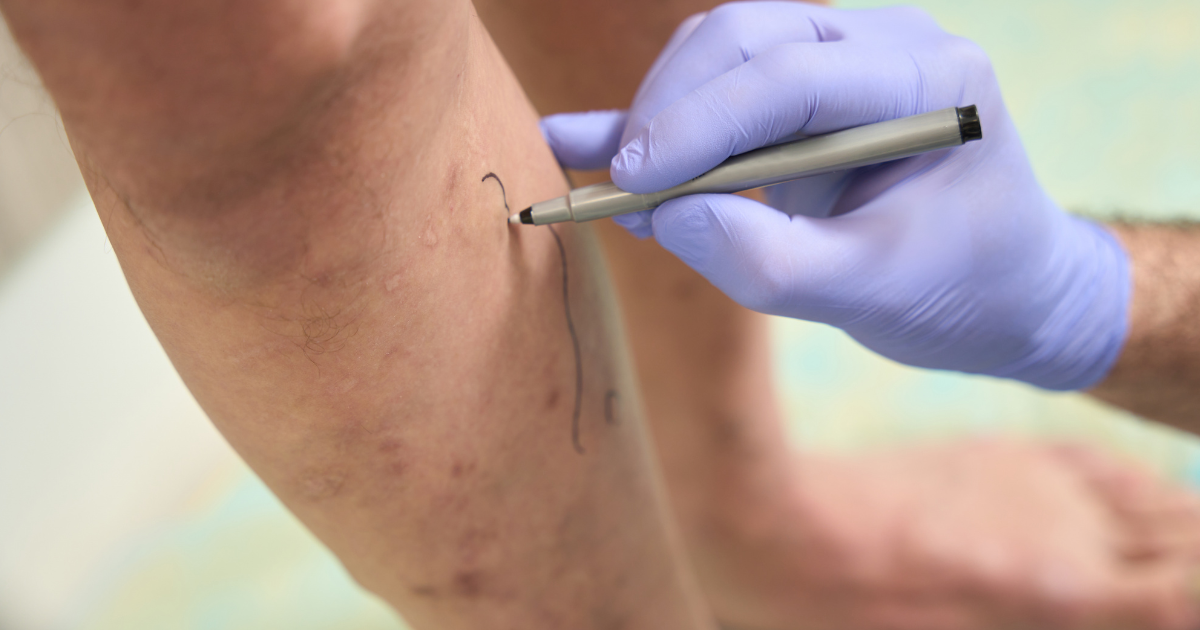
A vascular specialist will examine your legs, often while you are standing, to look for visible veins, swelling and any changes in the skin.
Duplex ultrasound is the main test used to assess the veins. It helps to identify any damaged valves, check for backward blood flow and show which veins are affected.
These results help to tell the difference between simple varicose veins and more advanced vein problems, and guide decisions about treatment.
Treatment
Treatment depends on how severe your symptoms are, the condition of your veins and whether there are any complications. The aim is to relieve discomfort, improve blood flow in the veins and treat the veins causing your symptoms.
Treatment options may include:
- Endovenous laser ablation (EVLA): A minimally invasive procedure that uses laser energy to close an affected vein.
- Radiofrequency ablation (RFA): Uses controlled heat to seal a poorly functioning vein, allowing blood to flow through healthier veins.
- Foam sclerotherapy: A specialised solution is injected into the affected vein to close it, gradually reducing its appearance.
- Medical adhesive closure: A minimally invasive procedure that uses a medical adhesive to seal selected abnormal veins.
- Ambulatory phlebectomy: A procedure that removes visible varicose veins through small skin incisions.
- Conservative management: Exercise, raising the legs and properly fitted compression stockings may help relieve symptoms if a procedure is not suitable or not needed.
Not everyone needs a procedure. A vascular assessment, including duplex ultrasound if needed, helps to decide on the most suitable treatment based on the underlying vein problem and your individual needs.
Frequently Asked Questions About Varicose Veins
What are varicose veins?
Varicose veins are enlarged, twisted veins that develop when weakened valves let blood collect in the legs. They are often visible under the skin and may cause aching, heaviness or swelling.
What are the first warning signs and symptoms?
Early signs may include visible bulging veins, tired or heavy legs, aching and swelling around the ankles. Symptoms often become more noticeable after standing for a long time.
How does Dr Ahmed Farah diagnose varicose veins?
Diagnosis involves examining your legs and discussing your symptoms and medical history. Duplex ultrasound may be used to check blood flow, look for backward flow in the veins and help plan treatment.
How are varicose veins treated, and is surgery always necessary?
Treatment may include endovenous laser ablation, radiofrequency ablation, sclerotherapy or other minimally invasive procedures. Surgery is not always needed, and some people can manage their symptoms without a procedure.
What can I do to prevent varicose veins from getting worse?
Regular walking, keeping to a healthy weight and avoiding long periods of inactivity may help reduce symptoms. Raising the legs and using compression stockings, if advised, may also provide relief.
Can varicose veins come back after treatment?
Yes. Although treated veins are usually closed or removed for good, new varicose veins can develop over time. Regular follow-up can help spot any new symptoms and decide if further treatment is needed.
Where can I consult Dr. Ahmed Farah about varicose veins?
Dr. Ahmed Farah has consultation locations in Dubai, Abu Dhabi, and Al Ain. Contact his office to confirm availability and arrange an assessment.