
Deep Vein Thrombosis: Symptoms & Treatment
November 19, 2026Overall
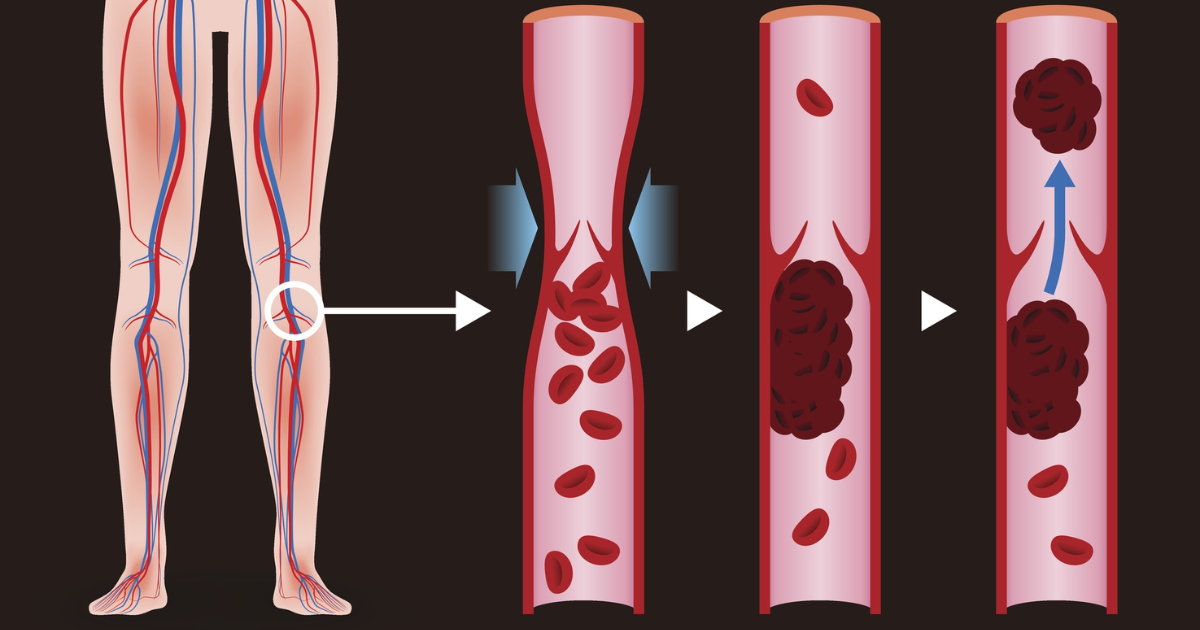
Deep vein thrombosis, or DVT, happens when a blood clot forms in one of the deep veins, most often in the leg. This clot may slow down or block blood flow, which can lead to pain, swelling or discomfort. It is important to know that some people develop DVT without any obvious symptoms.
DVT needs prompt medical attention, as a clot can sometimes break away and travel to the lungs, leading to a serious condition known as pulmonary embolism. Early diagnosis and treatment are important to lower this risk and help prevent further complications.
Symptoms
Deep vein thrombosis most often affects one leg, though it can sometimes occur in both legs or, less commonly, in an arm. The most common symptoms are:
- Leg swelling: Often develops in one leg, particularly around the calf or thigh.
- Pain or tenderness: The affected area may feel sore, tight or painful, sometimes resembling a muscle cramp.
- Skin discoloration: The skin may appear red, bluish or darker than usual.
- Warmth: The affected leg may feel warmer than the surrounding skin.
- Heaviness or discomfort: Some people experience a persistent feeling of pressure or tightness in the leg.
DVT can also develop without obvious symptoms. New, unexplained leg swelling or pain should be assessed urgently.
If you experience sudden shortness of breath, chest pain, coughing up blood or fainting, these could be signs of a pulmonary embolism. In this situation, seek emergency medical attention straight away.
Risk Factors for DVT
DVT can develop if blood flow slows down, a blood vessel is damaged or the blood becomes more likely to clot. There are several factors that may increase your risk:
- Prolonged immobility: Extended bed rest, long journeys or limited movement can slow circulation in the legs.
- Recent surgery or injury: Major operations, fractures and injuries affecting blood vessels can increase clotting risk.
- Pregnancy and hormonal treatments: Pregnancy, the period after childbirth and oestrogen-containing medications can increase the likelihood of blood clots.
- Cancer and certain medical conditions: Some illnesses and treatments make the blood more likely to clot.
- Previous DVT or family history: A personal history of blood clots or inherited clotting disorders increases the risk of recurrence.
Increasing age, carrying extra weight and other factors may also play a part, especially if several risks are present together.
Complications of DVT
The most serious complication of deep vein thrombosis is pulmonary embolism. This happens when part of a blood clot travels to the lungs and blocks a blood vessel, which can affect breathing and circulation. Without prompt treatment, this can become life-threatening.
DVT can also damage the valves inside the affected veins, leading to post-thrombotic syndrome (PTS). This may cause persistent leg swelling, aching, skin discoloration and, in severe cases, venous leg ulcers. Some people experience another DVT, particularly if underlying risk factors remain present. Appropriate treatment and follow-up can help reduce these risks.
Preventing DVT
Although it is not always possible to prevent deep vein thrombosis, there are steps you can take to help lower your risk, particularly during times when you are less mobile.
Recommended measures include:
- Regular movement: Walking and gentle leg exercises help maintain blood flow through the veins.
- Avoiding prolonged sitting: Try to take regular movement breaks during long journeys or when sitting at a desk for extended periods.
- Maintaining a healthy weight: Managing your weight can help reduce some of the risk factors linked to blood clots.
- Following medical advice after surgery: Getting moving early and taking any prescribed preventive medication can help lower the risk of DVT after an operation.
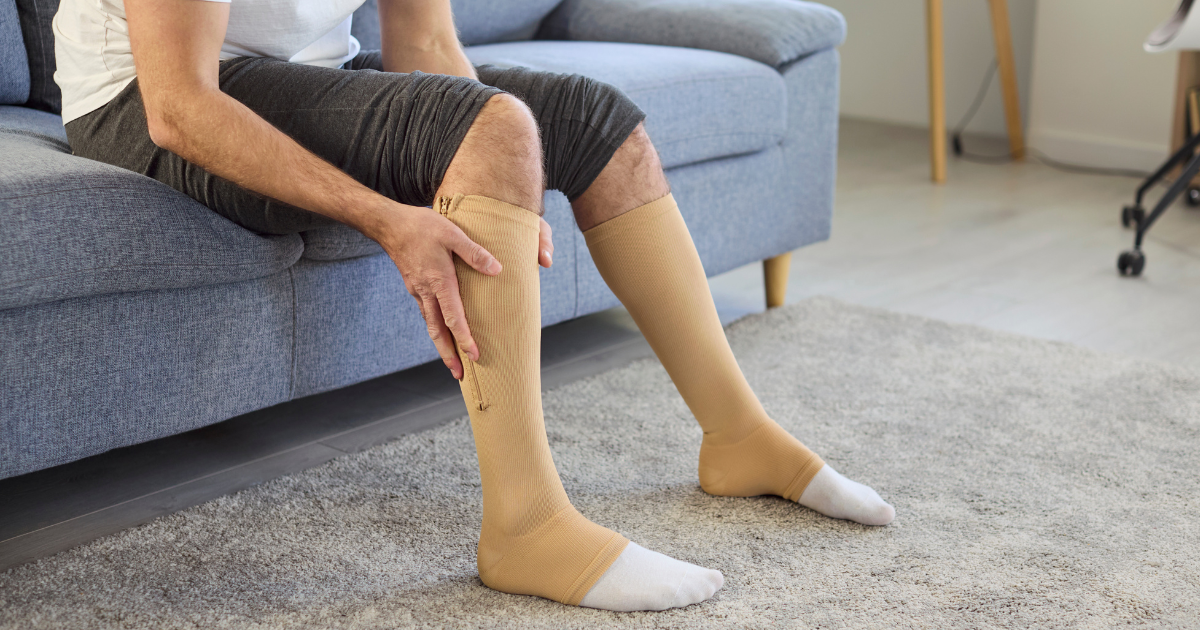
- Preventive medication or compression stockings: These may be recommended for some people, depending on their individual risk.
If you have had DVT before, it is important to follow your treatment plan and talk to your doctor about any other risk factors.
Diagnosis
Diagnosing deep vein thrombosis starts with taking a medical history, assessing your symptoms and carrying out a physical examination. Your specialist will look for swelling, tenderness and changes in the skin, while also considering factors such as recent surgery, immobility or previous blood clots.
Duplex ultrasound is the main imaging test used to detect clots in the deep veins and to check blood flow. This is a non-invasive test and can usually identify a blockage in the larger veins of the leg.
A D-dimer blood test may also be used to help rule out DVT if your assessment suggests a lower chance of having a clot. Sometimes, further ultrasound scans or other vascular imaging are needed if the first results are not clear.
Treatment
Treatment for DVT aims to stop the clot from getting bigger, reduce the risk of pulmonary embolism and lower the chance of another blood clot forming.
Treatment options may include:
- Anticoagulant medication: Blood thinners, such as apixaban, rivaroxaban or heparin, make it harder for your blood to form new clots and help stop existing clots from getting bigger.
- Catheter-directed thrombolysis: In selected patients with extensive DVT, medication may be delivered directly into the clot to help dissolve it.
- Mechanical thrombectomy: Specialised catheter-based devices may be used to remove clots in carefully selected cases.
- Inferior vena cava (IVC) filters: These may be considered when anticoagulants cannot be given and there is a significant risk of pulmonary embolism.
- Compression therapy: Compression stockings, when prescribed appropriately, may help to relieve swelling and discomfort for some people.
- Long-term management: Regular follow-up appointments and addressing any underlying risk factors can help support your recovery and reduce the risk of DVT coming back.
Most people with a DVT in the larger veins of the leg will need at least three months of anticoagulant treatment. Some may need to continue treatment for longer, depending on the cause of the clot, their risk of another DVT and the risk of bleeding.
Frequently Asked Questions About Deep Vein Thrombosis
What is deep vein thrombosis (DVT)?
Deep vein thrombosis is a blood clot that forms in a deep vein, most often in the leg. It can become dangerous if part of the clot travels to the lungs and causes a pulmonary embolism.
What are the first warning signs and symptoms?
Common warning signs include swelling in one leg, pain in the calf, tenderness, warmth and changes in skin colour. Some people do not have any obvious symptoms, so any unexplained leg pain or swelling should be checked by a doctor as soon as possible.
How does Dr Ahmed Farah diagnose deep vein thrombosis?
Diagnosis involves discussing your symptoms, looking at risk factors and examining the affected leg. Duplex ultrasound is often used to detect blood clots, and D-dimer testing or further imaging may be suggested if needed.
How is DVT treated and how long does treatment usually last?
DVT is usually treated with anticoagulant medication to stop the clot from getting bigger and to lower the risk of pulmonary embolism. Treatment for DVT in the larger veins of the leg generally lasts at least three months, though some people may need longer-term medication or further procedures.
What can I do to lower my risk of another DVT?
Staying active, avoiding long periods of inactivity and keeping to a healthy weight can all help to lower your risk. It is important to follow your medication plan and talk to your doctor about any other ways to prevent another DVT.
Can I travel by plane after having a DVT?
Many people are able to fly once they have started the right treatment, but travel is usually delayed for at least two weeks after a new DVT diagnosis. Always talk to your doctor about your travel plans, especially before a long flight.
Where can I consult Dr. Ahmed Farah about DVT?
Dr. Ahmed Farah has consultation locations in Dubai, Abu Dhabi, and Al Ain. Contact his office to confirm availability and arrange an assessment.