
Diabetic Foot Ulcers: Symptoms & Treatment
November 19, 2026Overall
A diabetic foot ulcer is an open wound that can develop on the foot, often on the sole, heel or toes, in someone living with diabetes. These ulcers often arise when nerve damage reduces sensation, so small injuries or areas of pressure may not be noticed straight away. If blood flow to the foot is also reduced, this can make healing slower and more difficult.
If a diabetic foot ulcer is not managed promptly, it can become infected and lead to more serious complications. Early assessment and treatment are important to protect healthy tissue and reduce the risk of further problems, including amputation.
Symptoms
Diabetic foot ulcers can develop slowly, and because nerve damage often reduces pain, you may not notice any discomfort. Some warning signs to look out for include:
- Open wounds: A sore or break in the skin, often on the bottom of the foot or toes, that does not heal as expected.
- Redness or swelling: Changes around the wound that may indicate inflammation or infection.
- Fluid or discharge: The wound may produce fluid, sometimes with an unpleasant smell if infection is present.
- Thickened skin: Calluses may form around areas of repeated pressure and sometimes conceal an underlying ulcer.
- Reduced sensation: Numbness or tingling can make injuries harder to notice.
If you have diabetes and notice a new wound on your foot, it is important to seek medical advice promptly, even if the wound does not hurt. If you develop a fever, rapidly spreading redness, blackened skin or your foot feels cold and looks discoloured, you should seek emergency care straight away.
Risk Factors for Diabetic Foot Ulcers
Diabetic foot ulcers often develop because of a combination of nerve damage, repeated pressure and, in some people, reduced blood supply to the feet. There are several factors that can increase your risk:
- Diabetic neuropathy: Nerve damage reduces the ability to feel pain, pressure or injuries in the feet.
- Peripheral arterial disease (PAD): Narrowed arteries reduce blood flow and can make wound healing more difficult.
- Poorly controlled diabetes: Persistently elevated blood sugar can contribute to nerve and blood vessel damage.
- Foot deformities and unsuitable footwear: These may create pressure points that damage the skin.
- Previous foot ulcers or amputations: A history of diabetic foot complications increases the likelihood of further wounds.
Smoking, kidney problems and limited mobility can also make foot ulcers more likely.
Complications of Diabetic Foot Ulcers
If a diabetic foot ulcer is not treated early, the wound can become deeper and infection may spread to the surrounding tissues. Sometimes, infection can reach the bone, which is called osteomyelitis. If blood flow is poor, healing can be delayed and there is a higher risk of tissue death, known as gangrene.
In severe cases, infection can spread through the body and cause sepsis. If tissue damage is extensive or infection cannot be controlled, it may be necessary to remove a toe, part of the foot or lower limb. Early treatment helps to reduce these risks and preserve as much healthy tissue as possible.
Preventing Diabetic Foot Ulcers
Looking after your feet every day and managing your diabetes well are both important in preventing ulcers, especially if you have reduced sensation or poor circulation.
Recommended measures include:
- Daily foot checks: Look for cuts, blisters, redness, swelling or changes in skin colour, including between the toes.
- Blood sugar management: Following the recommended diabetes treatment plan helps reduce the risk of nerve and blood vessel damage.
- Proper footwear: Well-fitting shoes and suitable socks help protect the feet from pressure and injury.
- Regular foot examinations: Medical check-ups can identify neuropathy, circulation problems and early skin changes.
- Foot protection: Avoid walking barefoot and seek professional care for calluses, corns or toenail problems.
If you notice a new wound or any breakdown of the skin, it is best to have it checked by a healthcare professional rather than trying to manage it at home.

Diagnosis
Diagnosing a diabetic foot ulcer involves carefully examining the wound and looking for any factors that might slow down healing.
Your specialist will assess the size, depth and location of the ulcer, as well as the surrounding skin, sensation and any signs of infection. You may also have a neurological examination to check for diabetic peripheral neuropathy.
Tests such as Doppler ultrasound, ankle-brachial pressure measurements and toe pressure tests can help assess the blood flow in your feet and identify any narrowing of the arteries. Further vascular imaging may be recommended if reduced blood flow is suspected.
Blood tests, wound swabs or scans such as X-rays and MRI may be suggested if infection or bone involvement is suspected. The results help to determine how severe the ulcer is and guide the best treatment for you.
Treatment
Treatment for a diabetic foot ulcer aims to help the wound heal, reduce pressure on the affected area, control any infection and improve blood flow if needed.
Treatment options may include:
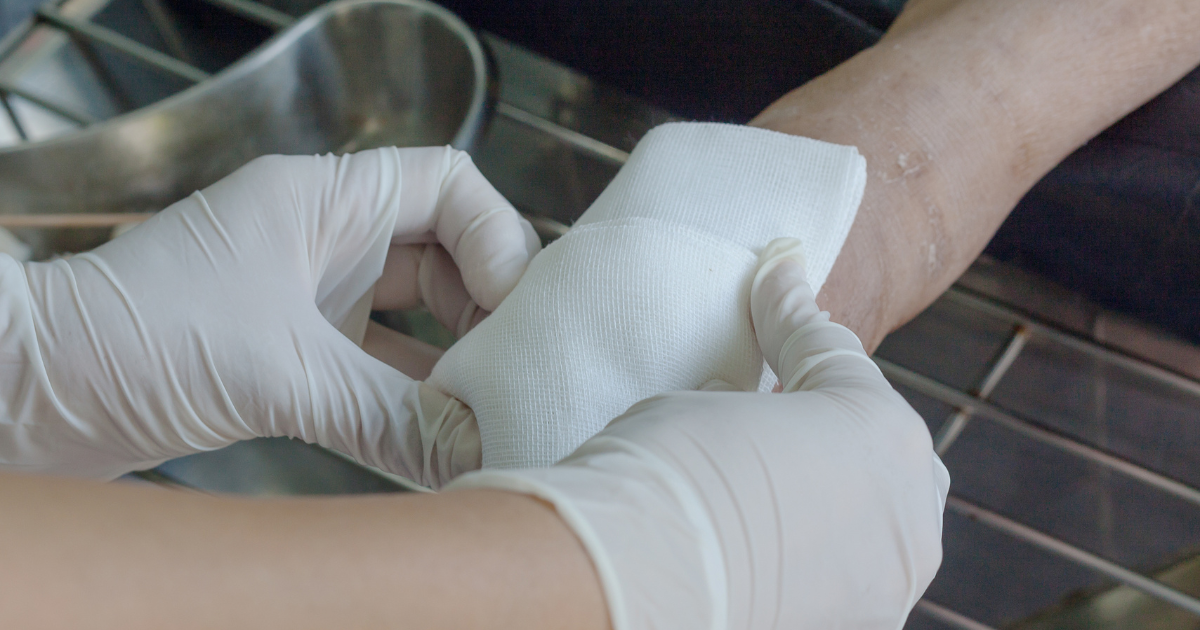
- Wound care and debridement: This involves regular cleaning of the wound, using suitable dressings and, when needed, removing any dead tissue to help the area heal.
- Offloading: Special footwear, casts or medical devices can be used to take pressure off the ulcer and give the damaged tissue a chance to recover.
- Infection management: If there is a bacterial infection, antibiotics will be prescribed. More intensive treatment may be needed for severe or deep infections.
- Revascularisation: Procedures such as angioplasty, stenting or bypass surgery can sometimes be used to improve blood flow if there are significant blockages in the arteries.
- Diabetes management: Keeping your blood sugar under control and treating any other medical conditions will support healing and help reduce the risk of future problems.
- Surgical treatment: In some severe cases, surgery may be needed to remove infected or dead tissue. Amputation is only considered if tissue cannot be saved or if a serious infection cannot be controlled in any other way.
Treatment often involves a team of specialists, including vascular surgeons, diabetes care professionals and wound care nurses. The best approach will depend on your wound, blood flow, risk of infection and your overall health.
Frequently Asked Questions About Diabetic Foot Ulcers
What is a diabetic foot ulcer?
A diabetic foot ulcer is an open wound that develops on the foot of a person with diabetes. It is often caused by nerve damage and repeated pressure, while poor circulation can make healing more difficult.
What are the first warning signs and symptoms?
Early signs include a small wound, redness, swelling, fluid discharge or thickened skin around a pressure point. Some ulcers cause little or no pain because diabetes can reduce sensation in the feet.
How does Dr Ahmed Farah diagnose diabetic foot ulcers?
Diagnosis involves examining the wound, assessing nerve sensation and checking blood circulation. Tests such as Doppler ultrasound, vascular imaging or X-rays may be used when needed.
How are diabetic foot ulcers treated and how long does healing usually take?
Treatment may involve wound care, offloading, infection management and, if needed, procedures to improve blood flow. Healing can take several weeks or sometimes months, depending on how severe the wound is and your overall health.
What can I do to prevent diabetic foot ulcers from coming back?
Check your feet every day, keep your blood sugar well controlled and wear shoes that fit properly. Regular foot checks and early treatment of any skin problems can help prevent ulcers from coming back.
Can a diabetic foot ulcer heal without surgery?
Yes, many diabetic foot ulcers can heal with the right wound care, pressure relief and treatment of any underlying problems. Surgery is only needed if there is a severe infection, dead tissue or major circulation problems.
Where can I consult Dr. Ahmed Farah about diabetic foot ulcers?
Dr. Ahmed Farah has consultation locations in Dubai, Abu Dhabi, and Al Ain. Contact his office to confirm availability and arrange an assessment.