
Understanding Blood Clots | General Health Information
October 26, 2026Blood clotting is a normal biological process that helps the body respond to an injury. It allows blood to change from a liquid into a more solid form, helping to limit bleeding while the body begins its natural repair process.
Because the subject is often discussed alongside medical terminology, it can be useful to understand the basic concepts without trying to interpret them in relation to an individual’s health.
This article is intended for general education only. It explains terminology, the difference between general associations and conclusions, and simple ways to include more movement in everyday routines.
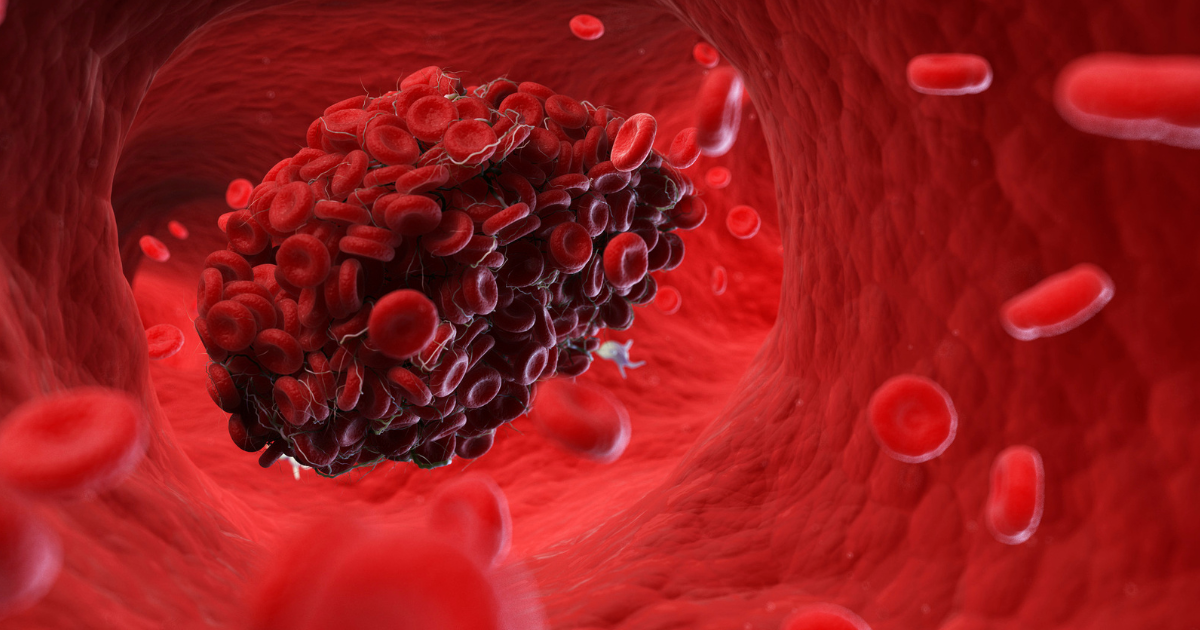
What Is a Blood Clot?
A blood clot is a mass of blood that has changed from its normal liquid state into a more solid or gel-like form. Clotting itself is an important part of human biology. When a blood vessel is damaged, the body uses platelets and other components of the blood to form a clot and help control bleeding.
Blood clots are also discussed in medical literature when they form within blood vessels. Depending on where this occurs, different medical terms may be used. Two terms that often appear together are deep vein thrombosis (DVT) and pulmonary embolism (PE).
What Do DVT and PE Mean?
Deep vein thrombosis, commonly shortened to DVT, refers to a blood clot that forms in a deep vein. Deep veins are located further beneath the surface of the skin than superficial veins. DVT is most commonly discussed in relation to the deep veins of the legs, although it can occur in other parts of the body.
Pulmonary embolism, or PE, occurs when clot material blocks a blood vessel in the lungs. DVT and PE are closely related medical concepts and are often grouped together under the term venous thromboembolism, abbreviated as VTE.
These terms can sound complicated when encountered for the first time, but understanding them as medical vocabulary can make public-health information easier to read.
Long Periods of Sitting in Everyday Life
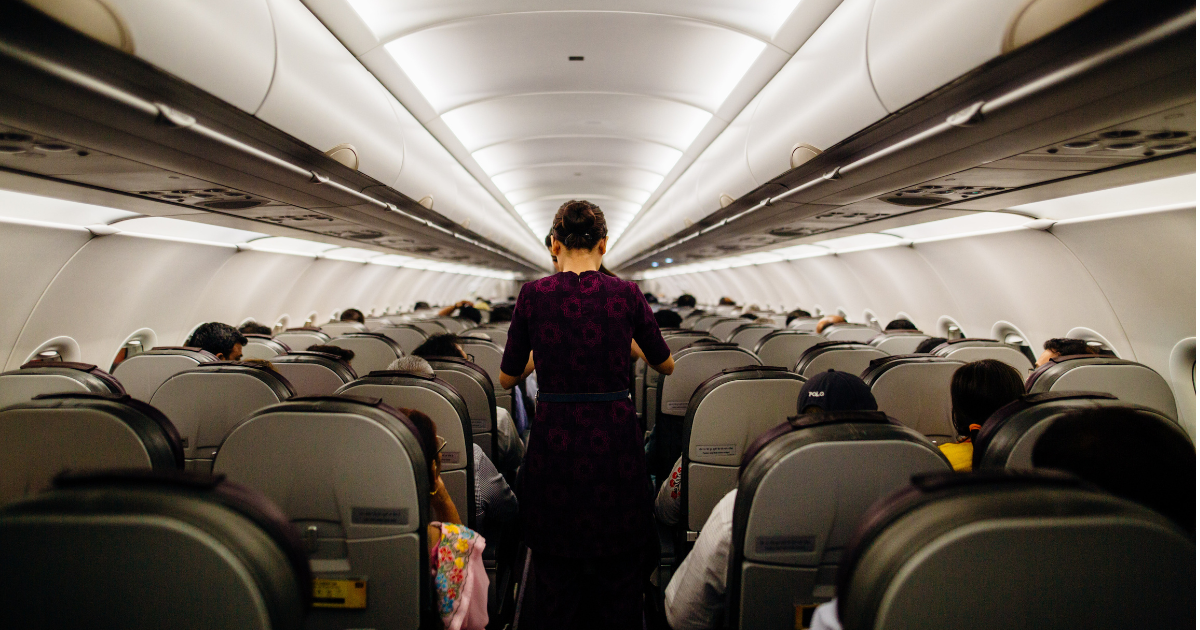
Modern routines can involve many hours of sitting. A typical working day might include a commute, several hours at a computer, meetings, meals and time spent relaxing at home. For many people, international or regional travel can add longer periods of sitting as well.
This can be particularly relevant in an international travel hub such as the UAE, where long-distance flights are a familiar part of life for many residents and visitors.
Extended travel is one of the situations frequently discussed in connection with blood clots. The CDC, for example, identifies prolonged sitting and limited movement among factors associated with DVT and PE. That does not mean, however, that sitting for a long time will cause a blood clot.
Rather than treating sitting as something inherently alarming, it can be more useful to think about small opportunities to move that can help make a sedentary routine feel less static.
Adding Movement to a Desk-Based Day
Movement does not always have to mean a workout, running session or visit to a gym. Ordinary daily activities provide many opportunities to change position and move.
For example, someone working at a desk might:
- stand between tasks;
- walk a short distance during a break;
- change sitting position periodically;
- or stand during a phone call when convenient.
The idea is to recognise when long periods of sitting have become part of the routine and to make movement a natural part of the day where possible.
Movement During Long Journeys
Long journeys often involve spending several hours in one position. When appropriate, ordinary movement can help break up these extended periods of sitting.
That may include:
- changing sitting position occasionally;
- standing when practical;
- walking briefly when circumstances allow;
- gently moving the feet, ankles or legs while seated.
Hydration and General Wellbeing
Hydration is another simple consideration during busy working days and long journeys. Air-conditioned offices, hot outdoor temperatures and air travel can all make it easy to forget to drink regularly. Keeping water available and drinking according to individual needs can support general comfort and wellbeing.
People who have been given specific fluid restrictions or other dietary instructions should follow the guidance appropriate to their individual circumstances.